Community & Safety
The HEAL Team

Your first HEAL meeting: what actually happens
No camera, no real name, no pressure to talk. Here is exactly what to expect when you open the door to your first live room — and how to leave whenever you want.

How to support someone in recovery: what helps, what hurts, and what to say
You don’t need a counseling degree to be good for someone’s recovery. You need steadiness, honest words and a few habits that make home feel safe. Here’s where to start.

Life after rehab: what to expect in your first 90 days
The first three months after treatment are when recovery moves from a structured program into your real life. Here is a week-by-week map of what tends to happen and how to get through it.

How the help board works (and what it’s not for)
Rides, job leads, housing next steps, someone to talk to. The help board connects people who need practical help with people who can give it — with privacy built in.
Free membership. Real people. Live meetings and practical help.
Join free
How we vet treatment centers — and why the list is short
A center can’t buy its way onto HEAL’s list. Here is the standard every listing has to meet, who decides, and how we keep it current.

How to deal with cravings: 12 skills that work in the moment
A craving feels like an order. It is closer to a wave: it rises, peaks and passes. Here are practical, pathway-neutral skills for riding out drug and alcohol cravings.

Setting boundaries with an addicted loved one: scripts, examples and the line between help and enabling
Boundaries aren’t ultimatums or punishments. They’re clear statements about what you will and won’t do. Here are real scripts, examples, and how CRAFT can help.

Preparing for a hard conversation with your sponsor
Writing it down first makes it easier to say out loud. How to use the private workbook to get ready — and how to share only what you choose.

When someone you love comes home from treatment
Families carry a lot, often quietly. A few honest things that help in the first months — and why you deserve support too.

Post-acute withdrawal syndrome (PAWS): symptoms, timeline and coping
Weeks after you stop using, you may still feel foggy, flat, anxious or wired at 3 a.m. That lingering stretch is often called PAWS. Here is what is known, what is not, and how to cope.

What is MAT? Medication for addiction treatment, explained without the myths
Buprenorphine, methadone and naltrexone are some of the most studied tools in addiction medicine, and some of the most misunderstood. Here’s a clear, plain-English guide.

Building a daily routine that actually holds
Small, repeatable steps beat big resolutions. A gentle approach to daily check-ins and practices — without streaks, scores or shame.

How to rebuild trust after addiction: with your partner, family and work
Trust breaks in a pattern and comes back the same way: one kept promise at a time. A practical guide to repairing relationships at home and at work without groveling or rushing.
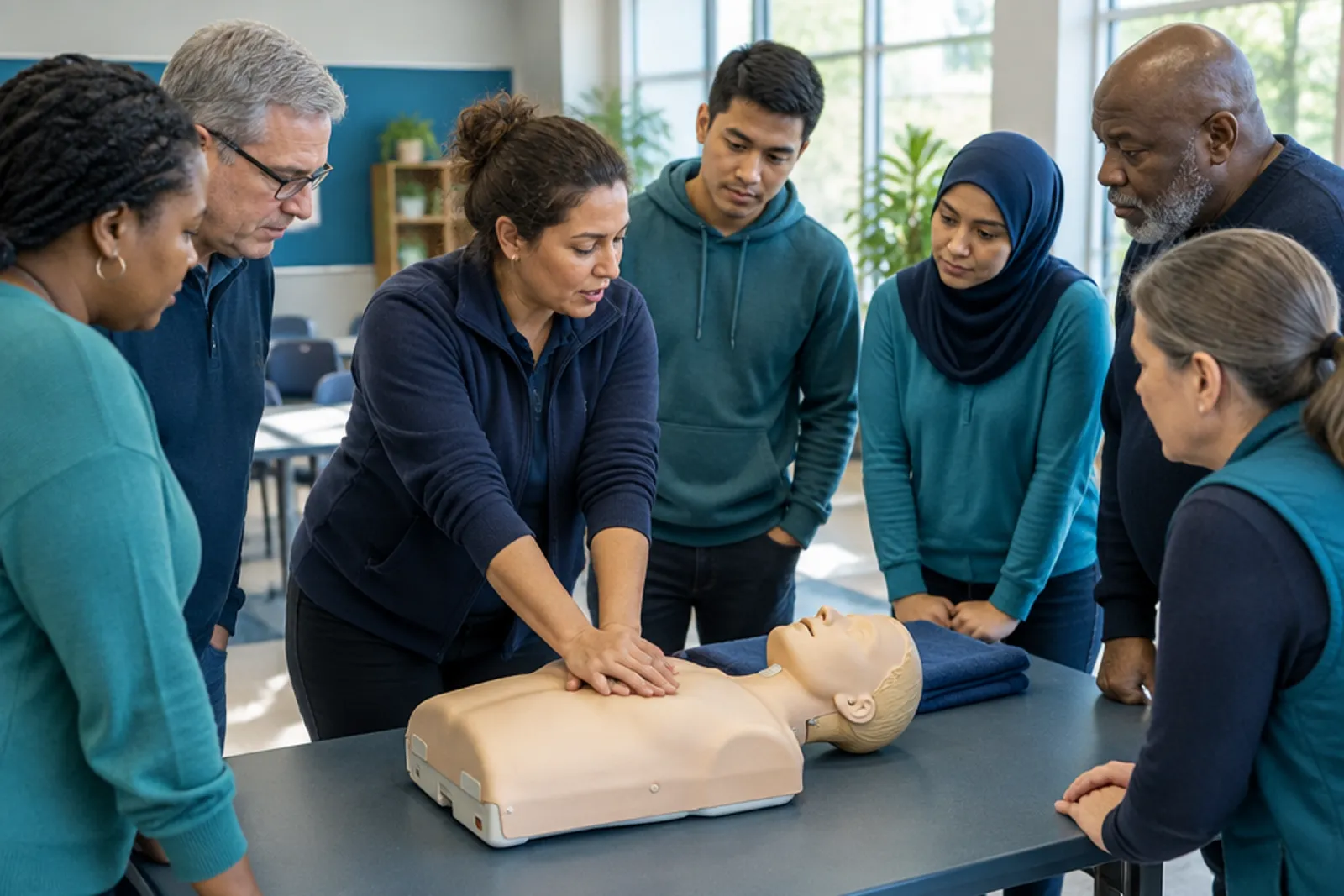
How to use Narcan (naloxone): a step-by-step guide to reversing an opioid overdose
Naloxone nasal spray is sold over the counter, it’s simple to use, and it can save a life in minutes. Here’s how to recognize an overdose and exactly what to do.

Getting a job after rehab: résumé gaps, your rights and Fair Chance hiring
You can absolutely build a working life in recovery. How to explain a résumé gap without oversharing, what the ADA does and does not protect, and where Fair Chance hiring can help.

How to choose a rehab: the questions to ask, the credentials to check and the red flags to walk away from
Choosing addiction treatment often happens in a crisis, which is exactly when bad actors find people. Here’s how to vet a program calmly, check credentials and spot the scams.

How to make sober friends (even if you’ve never done it as an adult)
Your old social life may have revolved around using. Building a new one takes intention, repetition and a little courage. Here is where to find people and what to actually do together.
Sober living homes: what they are, how to choose one and what it really costs
A good sober living home can be the bridge between treatment and a life you want to keep. A bad one can be dangerous. Here’s how to tell them apart.

Insomnia in early recovery: why sleep falls apart after quitting, and how to get it back
Lying awake at 3 a.m. is one of the most common, and most frustrating, parts of early recovery. Here’s why it happens and what actually helps, starting with CBT-I.

How to write a relapse prevention plan (with a free template)
A relapse prevention plan is a short, personal document you write on a good day to guide you on a hard one. Here is how to build yours, section by section, with a worked example.
Stories & guides, now and then.
Practical writing about life after treatment, in your inbox. No spam, unsubscribe any time.