When someone you love comes home from treatment
Families carry a lot, often quietly. A few honest things that help in the first months — and why you deserve support too.

Discharge day can feel like a finish line. For many families it’s the start of something harder to name: a new routine, old worries, and the question of how much to say or do.
Things that tend to help
- Ask, don’t assume. “What would be helpful this week?” is better than a plan made for them.
- Keep everyday life going. Meals, walks, ordinary conversation. Recovery happens in normal days.
- Know the warning signs — and the numbers. Keep 988 and 911 handy, and learn how to use naloxone.
- Let them own their recovery. Support is not supervision.
You need support too
HEAL runs Family & Allies meetings for exactly this. Same rules as every HEAL room: a human host, pseudonyms, no cameras, no recordings. You can listen without saying a word.
Last updated October 28, 2026. Stories reflect personal experience and are not medical advice.
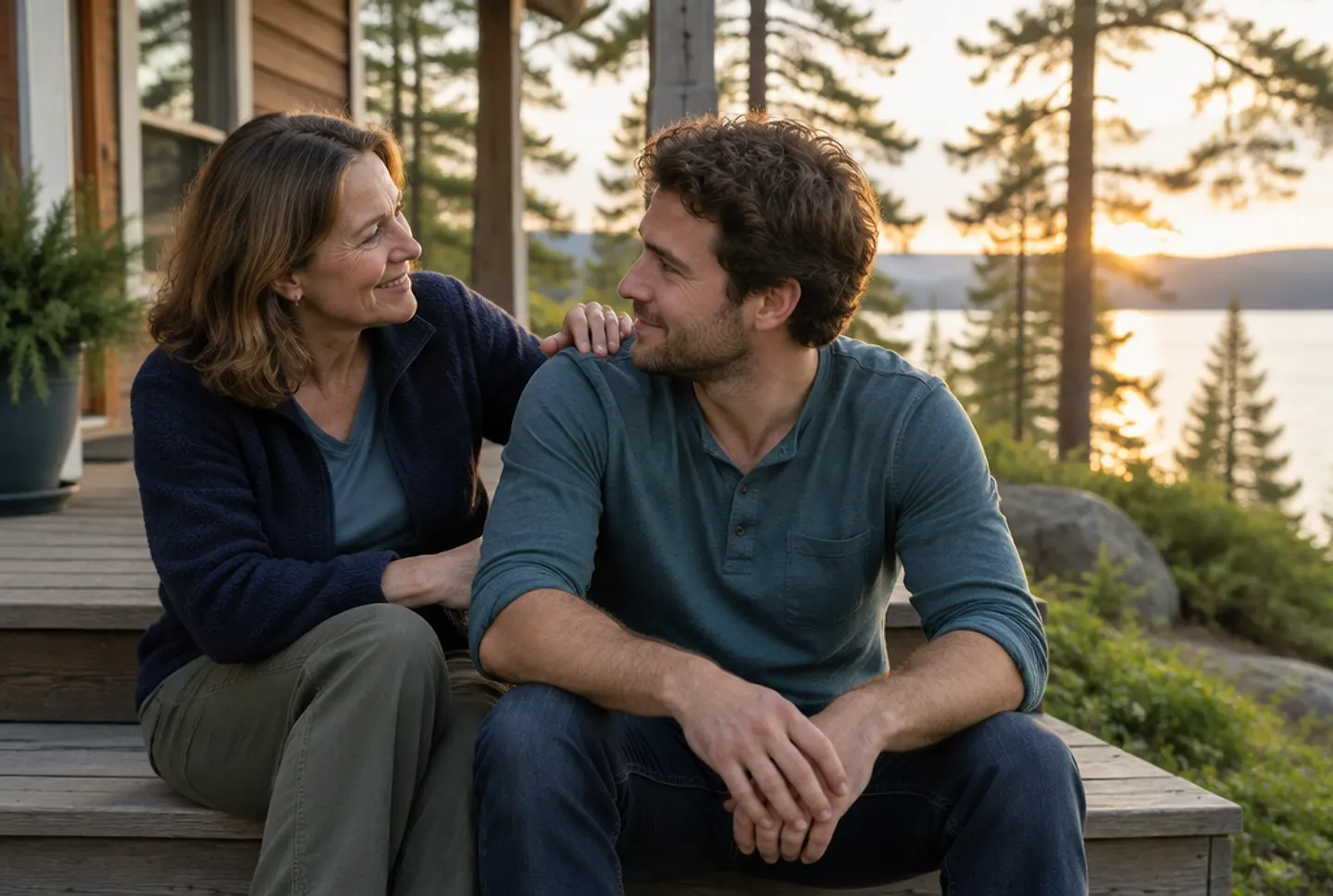
Families & allies
Loving someone in recoveryis a lot to carry alone.
Weekly family & allies circles, plus plain-language guides for the hard conversations.
In crisis? Call or text 988.
Keep reading
All stories
How to support someone in recovery: what helps, what hurts, and what to say
You don’t need a counseling degree to be good for someone’s recovery. You need steadiness, honest words and a few habits that make home feel safe. Here’s where to start.
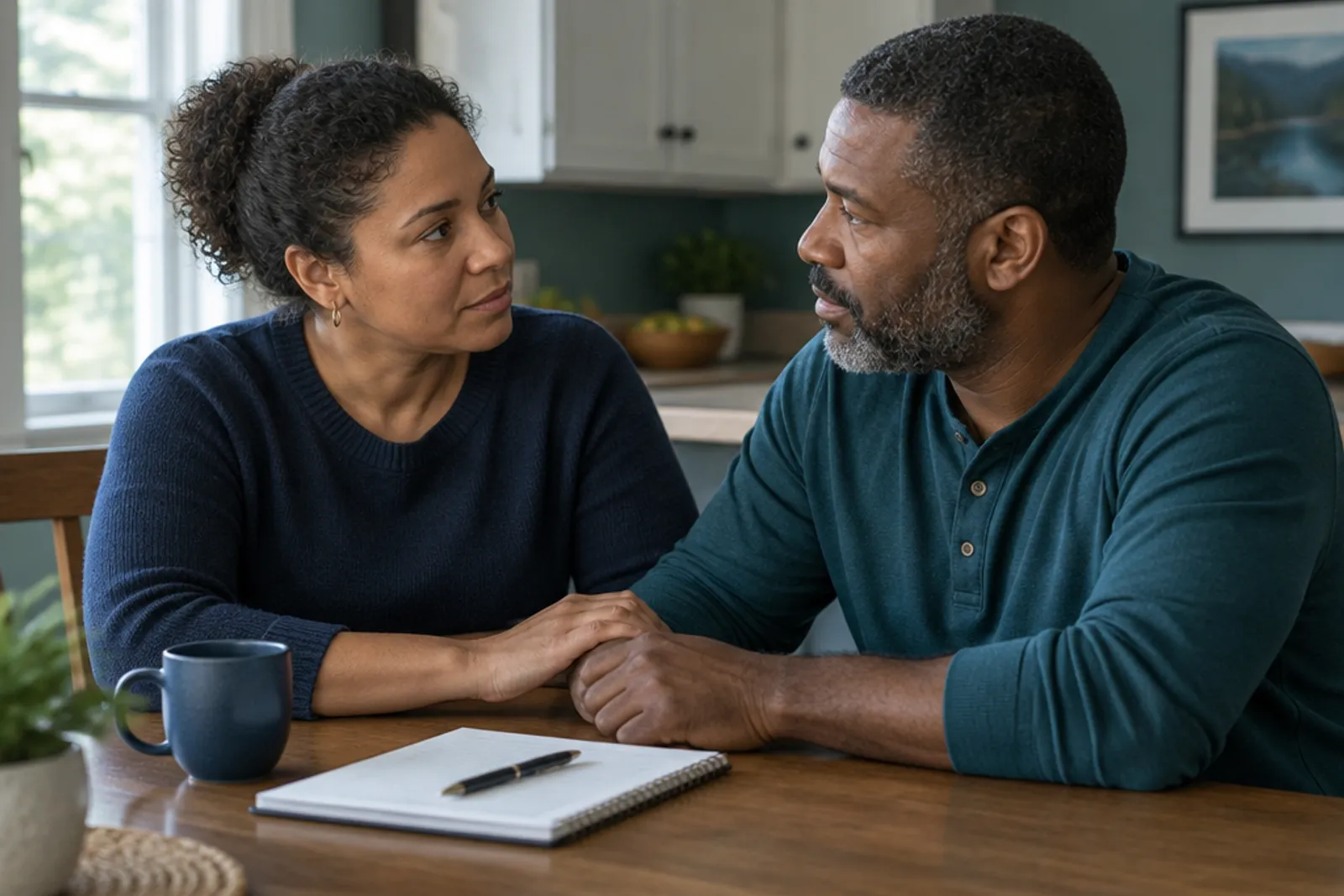
Setting boundaries with an addicted loved one: scripts, examples and the line between help and enabling
Boundaries aren’t ultimatums or punishments. They’re clear statements about what you will and won’t do. Here are real scripts, examples, and how CRAFT can help.
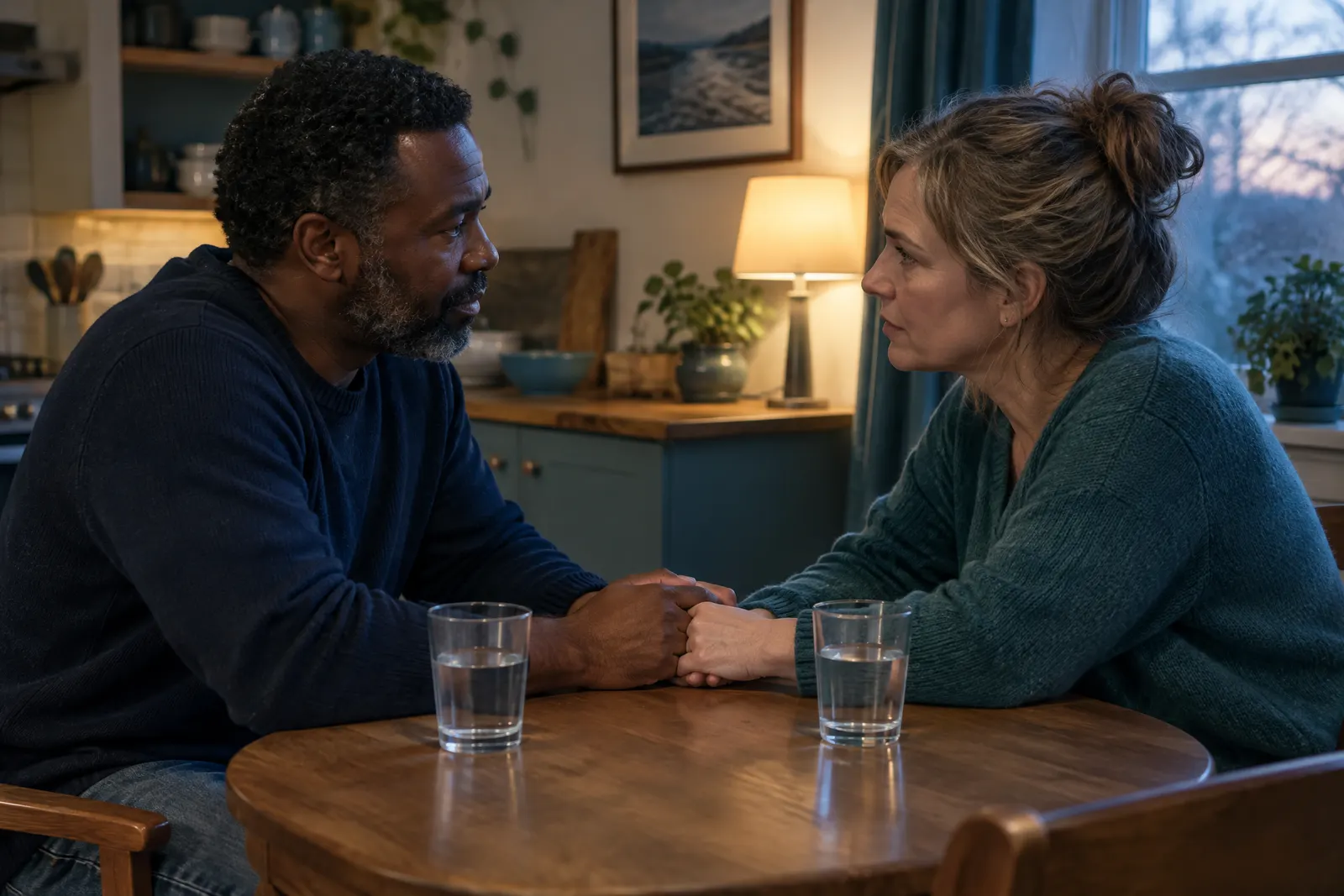
How to rebuild trust after addiction: with your partner, family and work
Trust breaks in a pattern and comes back the same way: one kept promise at a time. A practical guide to repairing relationships at home and at work without groveling or rushing.

FreePeer-ledReal people
Treatment is the beginning, not the end.
The core community is free to join. No pressure, no paywalls in a hard moment — just people who get it, whenever you’re ready.