How to use Narcan (naloxone): a step-by-step guide to reversing an opioid overdose
Naloxone nasal spray is sold over the counter, it’s simple to use, and it can save a life in minutes. Here’s how to recognize an overdose and exactly what to do.
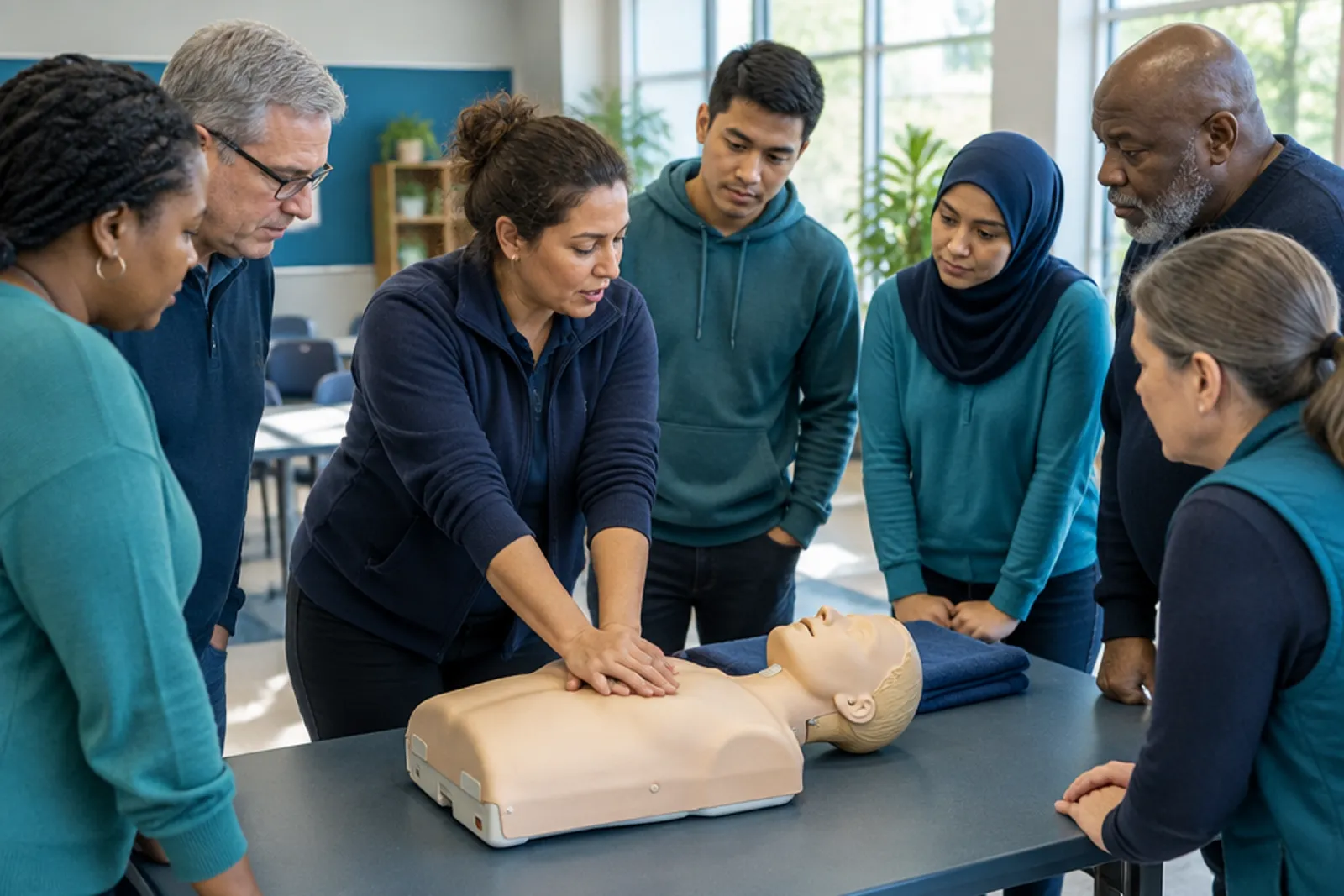
If someone is unresponsive right now and you suspect an overdose: call 911, give naloxone if you have it, and follow the dispatcher’s instructions. Come back to the rest of this guide later.
For everyone else, here’s the truth: knowing how to use Narcan (naloxone) takes about five minutes to learn, and it’s one of the most practical life-saving skills you can have. You don’t need medical training. You don’t need a prescription. Naloxone nasal spray has been available over the counter in the U.S. since 2023. This guide walks through how to recognize an opioid overdose, the step-by-step response, what happens afterward, where to get naloxone, and what Good Samaritan laws generally do.
What naloxone is and how it works
Naloxone is a medication that rapidly reverses an opioid overdose. It attaches to opioid receptors and knocks opioids such as heroin, fentanyl and prescription painkillers off them, which can restore breathing within minutes (NIDA). Narcan is the best-known brand of naloxone nasal spray; other brands and generic versions work the same way.
A few important facts:
- It’s safe. Naloxone has no effect on someone who doesn’t have opioids in their system. If you’re unsure whether it’s an opioid overdose, giving naloxone won’t hurt them.
- It only reverses opioids. It won’t reverse an overdose from alcohol, benzodiazepines or stimulants alone. But because fentanyl now contaminates much of the unregulated drug supply, opioids may be involved even when someone thinks they took something else.
- It’s temporary. Naloxone can wear off before the opioids do, so the person can stop breathing again. That’s why calling 911 and staying with them matters.
How to recognize an opioid overdose
An opioid overdose slows and then stops breathing. Look for these signs (CDC):
- Unresponsive or can’t be woken up, even when you shout or rub their breastbone hard
- Slow, shallow, irregular or stopped breathing
- Gurgling, choking or deep snoring sounds
- Very small, “pinpoint” pupils
- Blue, gray or ashen lips and fingertips
- Pale, cold or clammy skin
- Limp body
Someone who is just very high may be drowsy but will still respond to you and breathe normally. If you can’t wake them, treat it as an overdose.
When in doubt, give naloxone. It can’t harm someone who isn’t overdosing on opioids, and waiting can cost a life.
How to use Narcan (naloxone), step by step
Always follow the instructions on your product’s package; they’re short, and it’s worth reading them now, before you ever need them. The general steps for a nasal spray, based on SAMHSA’s overdose response guidance (SAMHSA Overdose Prevention and Response Toolkit), are:
1. Try to wake them
Shout their name. Rub your knuckles firmly up and down the center of their chest (sternum). If they don’t respond, move on immediately.
2. Call 911
Say: “Someone is unresponsive and not breathing” (or “barely breathing”) and give your exact location. You don’t have to say the word “drugs” to get help on the way. If someone else is there, have them call while you get the naloxone. Put the phone on speaker so you can follow the dispatcher.
3. Give the naloxone
- Lay the person on their back.
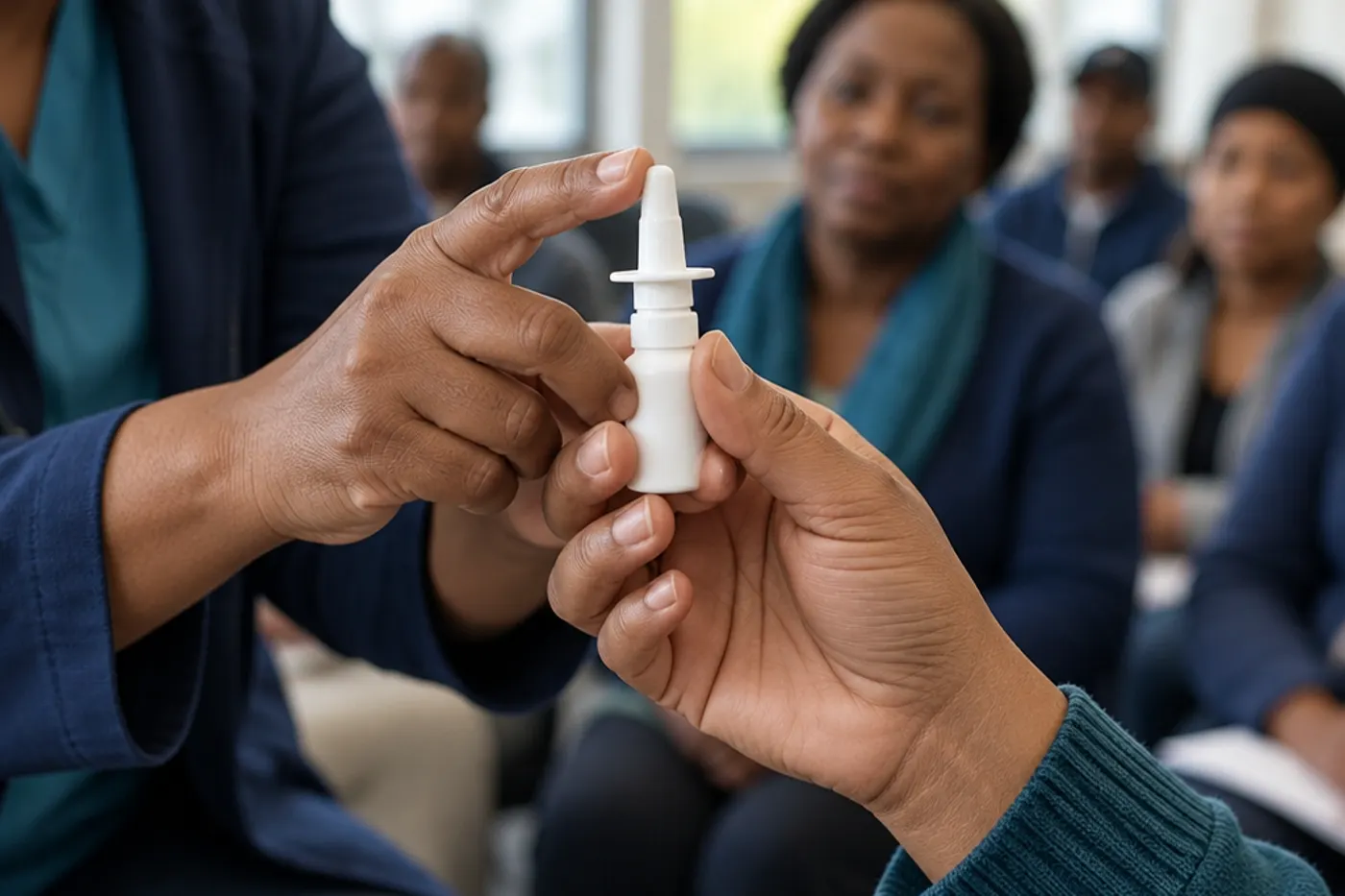
- Peel open the package and hold the device with your thumb on the plunger and two fingers on either side of the nozzle.
- Tilt their head back and support the back of their neck with your hand.
- Gently insert the nozzle into one nostril until your fingers touch the bottom of their nose.
- Press the plunger firmly to give the full dose. Each device contains one dose. Don’t prime or test it.
4. Support their breathing
If you’re trained in rescue breathing or CPR, start now and follow the dispatcher’s guidance. If you aren’t, or if you have to step away, roll them into the recovery position: on their side, top knee bent forward, head resting on their hand, so they won’t choke if they vomit.
5. Watch and give a second dose if needed
If they don’t respond within about two to three minutes, give a second dose in the other nostril using a new device. Fentanyl and other strong opioids sometimes require more than one dose. Keep giving doses every two to three minutes, if you have them, until they respond or help arrives.
6. Stay with them
Don’t leave them alone, even if they wake up and say they’re fine. Naloxone can wear off before the opioids do, and breathing can slow again. Stay until emergency responders arrive and tell them what you gave and when.
What to expect when someone wakes up
Naloxone can bring someone back fast, sometimes into sudden opioid withdrawal: sweating, nausea, vomiting, shaking, agitation, confusion. They may be upset, scared or embarrassed. Stay calm and kind:
- Tell them what happened: “You overdosed. I gave you naloxone. Help is on the way.”
- Discourage them from using more opioids to ease withdrawal. That can lead to another overdose once the naloxone wears off.
- Encourage them to accept medical care. If they refuse, stay with them as long as you can and watch their breathing.
Waking up from an overdose can be a turning point. If they’re open to it later, help them connect with treatment, including medications for opioid use disorder, which reduce overdose risk. See our explainer on what MAT is.
Every reversal is a second chance. Treatment, support and dignity are what turn it into a lasting one.
Where to get naloxone
In March 2023, the FDA approved Narcan 4 mg naloxone nasal spray for over-the-counter, nonprescription use, the first naloxone product approved for sale without a prescription (FDA). Other OTC naloxone nasal sprays followed. Today you can generally find it:
- At pharmacies and many retail stores, on the shelf or behind the counter, often near other first-aid products.
- Online from retailers.
- For free or low cost through many local health departments, community harm reduction programs, treatment programs and some libraries and schools. Search your state or county health department for “free naloxone.”
- Through insurance: some plans cover naloxone, including prescription versions. Ask your pharmacist.

Who should carry it?
Anyone can, and many more people should. It’s especially important if you or someone you live with:
- Is in recovery from opioid use disorder, including people on medication for it
- Has recently left treatment, jail or a hospital, when tolerance may be lower
- Takes prescription opioids, particularly at higher doses or alongside sedatives
- Uses any drugs from the unregulated supply, which may contain fentanyl
How to store it
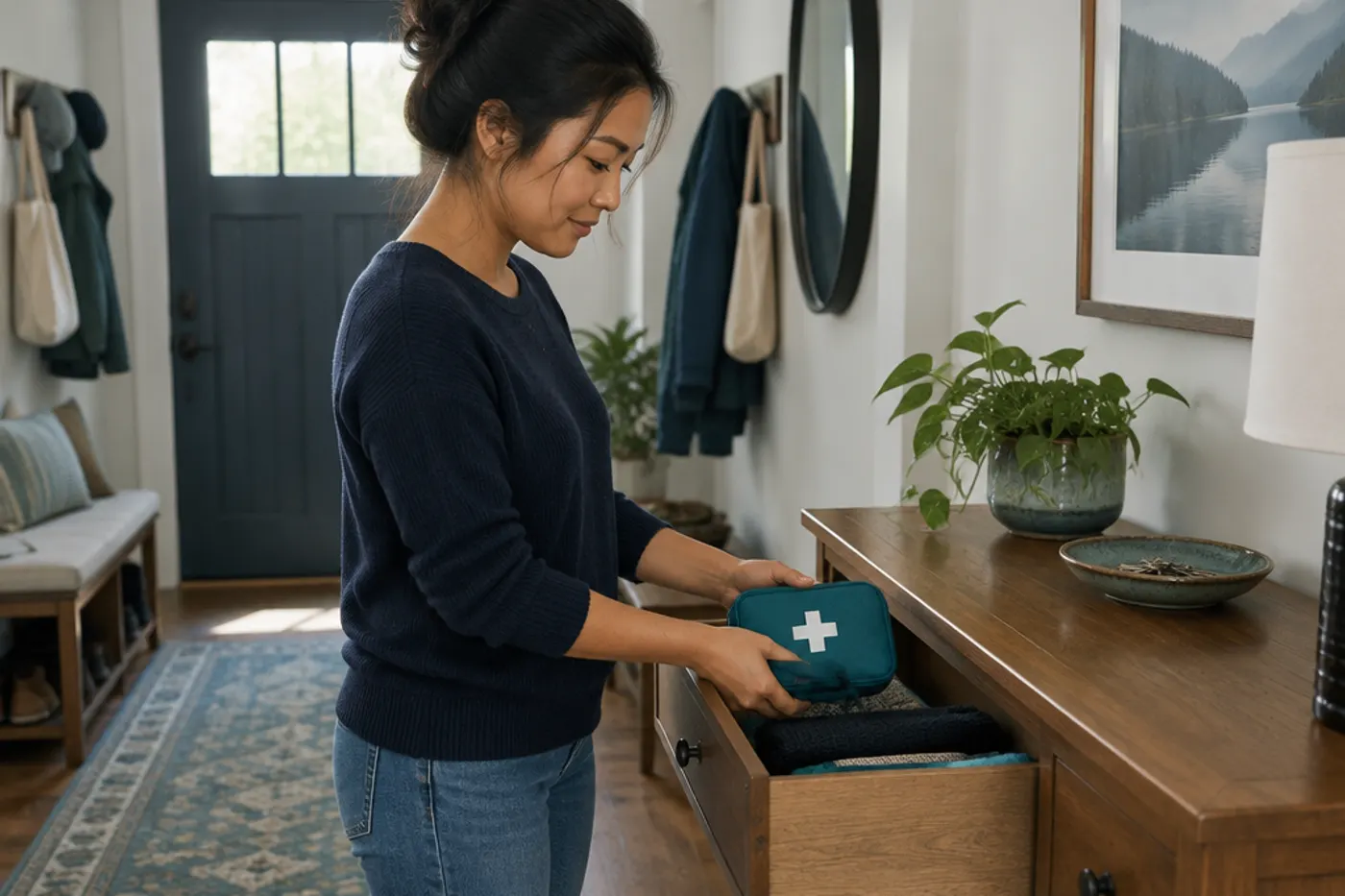
- Keep it somewhere easy to reach, and tell household members where it is.
- Store it at room temperature and avoid extreme heat or cold, like a hot car or freezing glove box.
- Check the expiration date and replace it when it expires or after use.
- Consider keeping more than one dose, at home, in a bag and at work.
Overdose myths that waste precious time
Some “remedies” passed around by word of mouth don’t work and can make things worse. Skip these:
- Cold showers or ice baths. They don’t reverse an overdose and can cause shock or drowning.
- Making them vomit. This risks choking.
- Slapping or hitting hard. A firm sternal rub is enough to check responsiveness.
- Injecting salt water, milk or other substances. These don’t help and can cause harm.
- Letting them “sleep it off.” Heavy snoring or gurgling can be a sign of a blocked airway and slowing breathing, not deep sleep.
What works is simple: naloxone, 911, breathing support and staying with them.
Practice now: a five-minute household drill
You’ll respond better in a crisis if your hands have done it before. Try this with the people you live with:
- Show everyone where the naloxone is kept.
- Read the package instructions out loud together.
- Walk through the steps: shout, sternal rub, call 911, spray, breathing, second dose, recovery position.
- Practice the recovery position on each other.
- Agree on who calls 911 and who gives naloxone if two people are present.
Many health departments and community organizations also run free naloxone trainings, in person or online. Some include hands-on practice with trainer devices.
Good Samaritan laws, in general terms
Fear of police is one of the reasons people hesitate to call 911 during an overdose. To address that, most U.S. states and the District of Columbia have passed some form of overdose Good Samaritan law. In general, these laws offer certain legal protections, often from some drug possession charges, to people who seek emergency help for an overdose, and sometimes to the person who overdosed.
The details vary a lot by state. Protections may not cover every charge, existing warrants, or probation or parole violations, for example. Many states also have laws that protect people who give naloxone in good faith from civil liability. To understand the rules where you live, look up your state’s law or ask a local legal aid organization. The bottom line most public health agencies share: call 911. A life is on the line.
Key takeaways
- Signs of opioid overdose: unresponsive, slow or stopped breathing, pinpoint pupils, blue or gray lips.
- Respond in order: try to wake, call 911, give naloxone, support breathing, give another dose after 2–3 minutes if needed, stay with them.
- Naloxone is safe; it won’t harm someone who isn’t overdosing on opioids.
- It can wear off before the opioids, so medical care and monitoring matter.
- Naloxone nasal spray is sold over the counter, and many programs give it out free.
- Most states have Good Samaritan laws that encourage calling for help; details vary.
Frequently asked questions
Do I need a prescription to buy Narcan?
No. Since the FDA’s 2023 approval, Narcan and other naloxone nasal sprays are available over the counter without a prescription at pharmacies, many retail stores and online. Many health departments and community programs also distribute it free.
Can naloxone hurt someone who isn’t overdosing?
Naloxone has no effect on people who don’t have opioids in their system, so it’s safe to give if you’re unsure. In someone who is dependent on opioids, it can cause sudden withdrawal symptoms, which are very uncomfortable but not usually life-threatening.
How long does Narcan last?
Naloxone’s effects can wear off sooner than the effects of many opioids, especially long-acting or very strong ones like fentanyl. That’s why you should call 911 and stay with the person, since breathing can slow again.
How many doses of Narcan should I give?
Give one dose, then wait about two to three minutes. If the person isn’t responding or breathing normally, give another dose in the other nostril with a new device. Repeat if needed and if you have more doses, until help arrives. Always follow the package directions and the 911 dispatcher.
Will I get in trouble for calling 911 during an overdose?
Most states have Good Samaritan laws that provide some legal protection to people who call for help during an overdose. Protections differ by state and have limits, so check your state’s law. Public health experts strongly encourage calling 911 every time.
Does naloxone work on fentanyl?
Yes, naloxone reverses fentanyl overdoses, though more than one dose may sometimes be needed. If other substances such as sedatives are also involved, naloxone still helps with the opioid part, and emergency care is essential.
Last updated October 28, 2026. Stories reflect personal experience and are not medical advice.

Live meetings
Sit in on a meeting.Just listen if you like.
Human-hosted online rooms. Listen, share, or just be in the room with people who get it.
In crisis? Call or text 988.
Keep reading
All stories
Post-acute withdrawal syndrome (PAWS): symptoms, timeline and coping
Weeks after you stop using, you may still feel foggy, flat, anxious or wired at 3 a.m. That lingering stretch is often called PAWS. Here is what is known, what is not, and how to cope.

What is MAT? Medication for addiction treatment, explained without the myths
Buprenorphine, methadone and naltrexone are some of the most studied tools in addiction medicine, and some of the most misunderstood. Here’s a clear, plain-English guide.

How to choose a rehab: the questions to ask, the credentials to check and the red flags to walk away from
Choosing addiction treatment often happens in a crisis, which is exactly when bad actors find people. Here’s how to vet a program calmly, check credentials and spot the scams.

FreePeer-ledReal people
Treatment is the beginning, not the end.
The core community is free to join. No pressure, no paywalls in a hard moment — just people who get it, whenever you’re ready.