How to make sober friends (even if you’ve never done it as an adult)
Your old social life may have revolved around using. Building a new one takes intention, repetition and a little courage. Here is where to find people and what to actually do together.
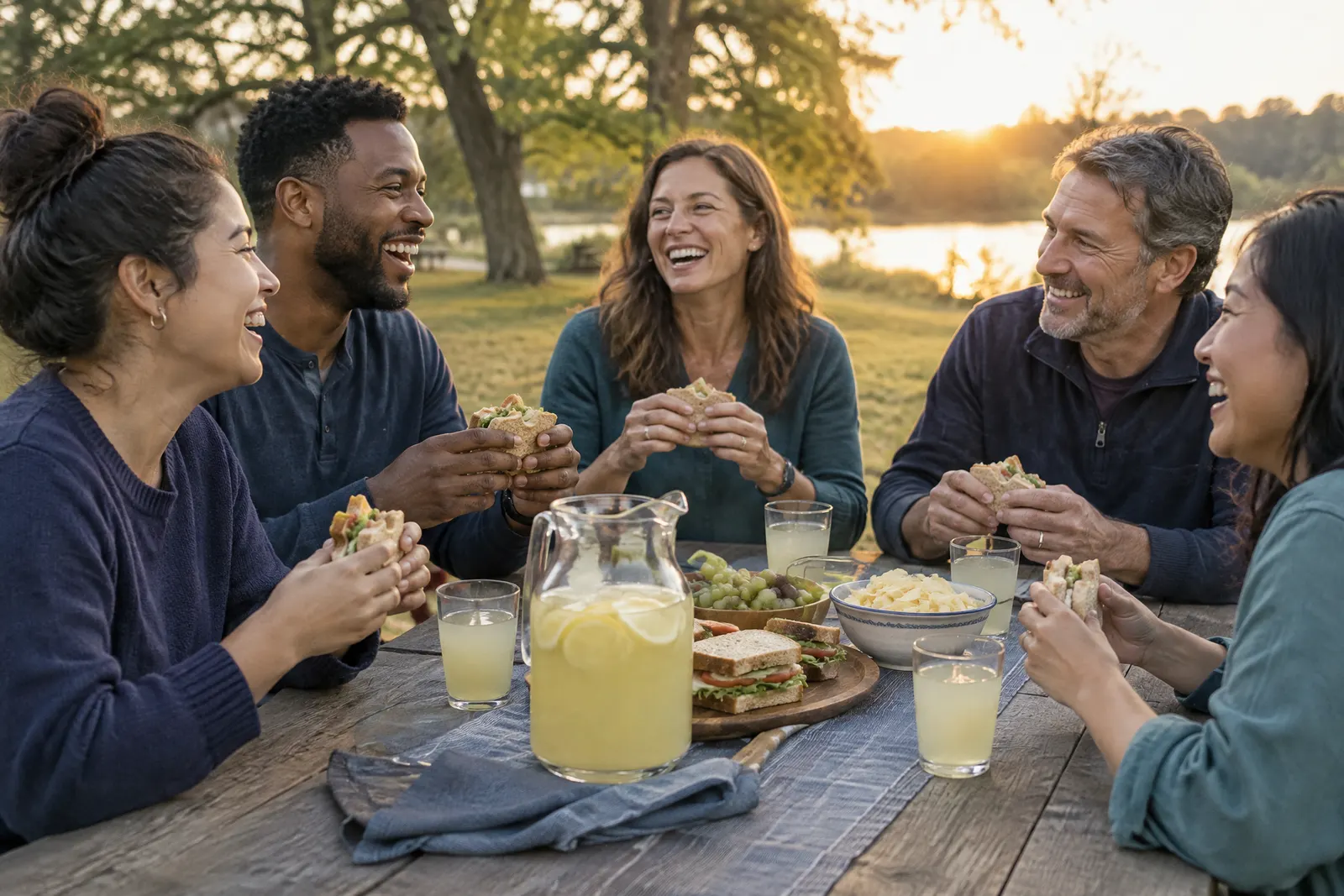
Making friends as an adult is awkward for almost everyone. Making friends as an adult in recovery has an extra twist: the social life you had may have been built around using, and now it’s gone or off-limits. If your phone feels quiet and your weekends feel long, you’re not alone, and you’re not doing anything wrong.
This guide is about how to make sober friends, the real kind you can call on a Tuesday night and laugh with on a Saturday. It covers where to meet people, how to move from “nice to meet you” to actual friendship, what to do together, and how to handle the friendships you already have.
Why your social life matters so much in recovery
Connection isn’t an extra in recovery. It’s part of the foundation. SAMHSA names community, meaning relationships and social networks that provide support, friendship, love and hope, as one of the four major dimensions that support recovery (SAMHSA). Isolation, on the other hand, is a common warning sign in many relapse prevention plans.
There’s a practical side too. Sober friends give you people to call during cravings, places to be on high-risk nights and proof that a full, fun life without substances is possible.
You’re not just replacing old friends. You’re building a life where you don’t have to leave the room to be yourself.
Where to meet sober friends
The trick is to go where sober people already gather, and then keep going back.
Mutual support meetings (all kinds)
Meetings are the most obvious place, and for good reason. Everyone there shares at least one big thing with you. Explore different formats until something fits:
- 12-step groups like Alcoholics Anonymous, Narcotics Anonymous and Cocaine Anonymous.
- SMART Recovery, a science-based, self-empowering approach.
- Recovery Dharma, LifeRing, Women for Sobriety, Secular Organizations for Sobriety and other secular or alternative groups.
- Faith-based groups such as Celebrate Recovery.
- Groups for people on MOUD, where you won’t have to explain or defend your medication.
The real friendships often start around the meeting: arriving early, staying for the chat afterward, or saying yes when someone suggests coffee. Many online meetings also have open chat time before or after.
Recovery community organizations and centers
Many cities have recovery community centers run by and for people in recovery. They host groups, game nights, workshops and volunteer opportunities. Ask your treatment program or search for recovery community organizations in your state.
Sober active communities
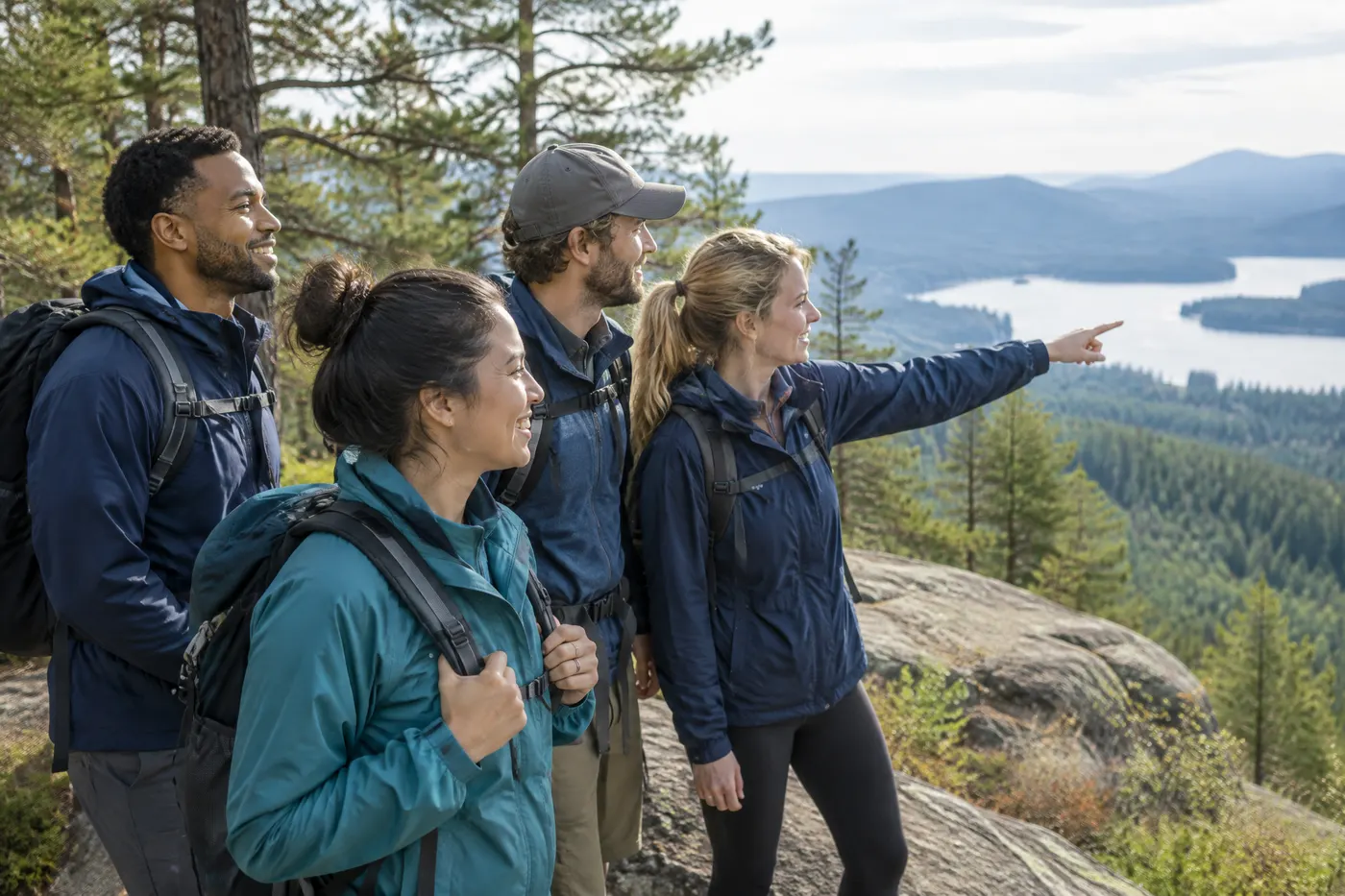
Some organizations bring people in recovery together through fitness, like climbing, running, yoga or CrossFit-style workouts. Having a shared activity takes the pressure off conversation, which is great if you’re shy.
Places that aren’t about recovery at all
Not every sober friend needs to be in recovery. Plenty of people simply don’t drink or use, or happily skip it. You can find them in:
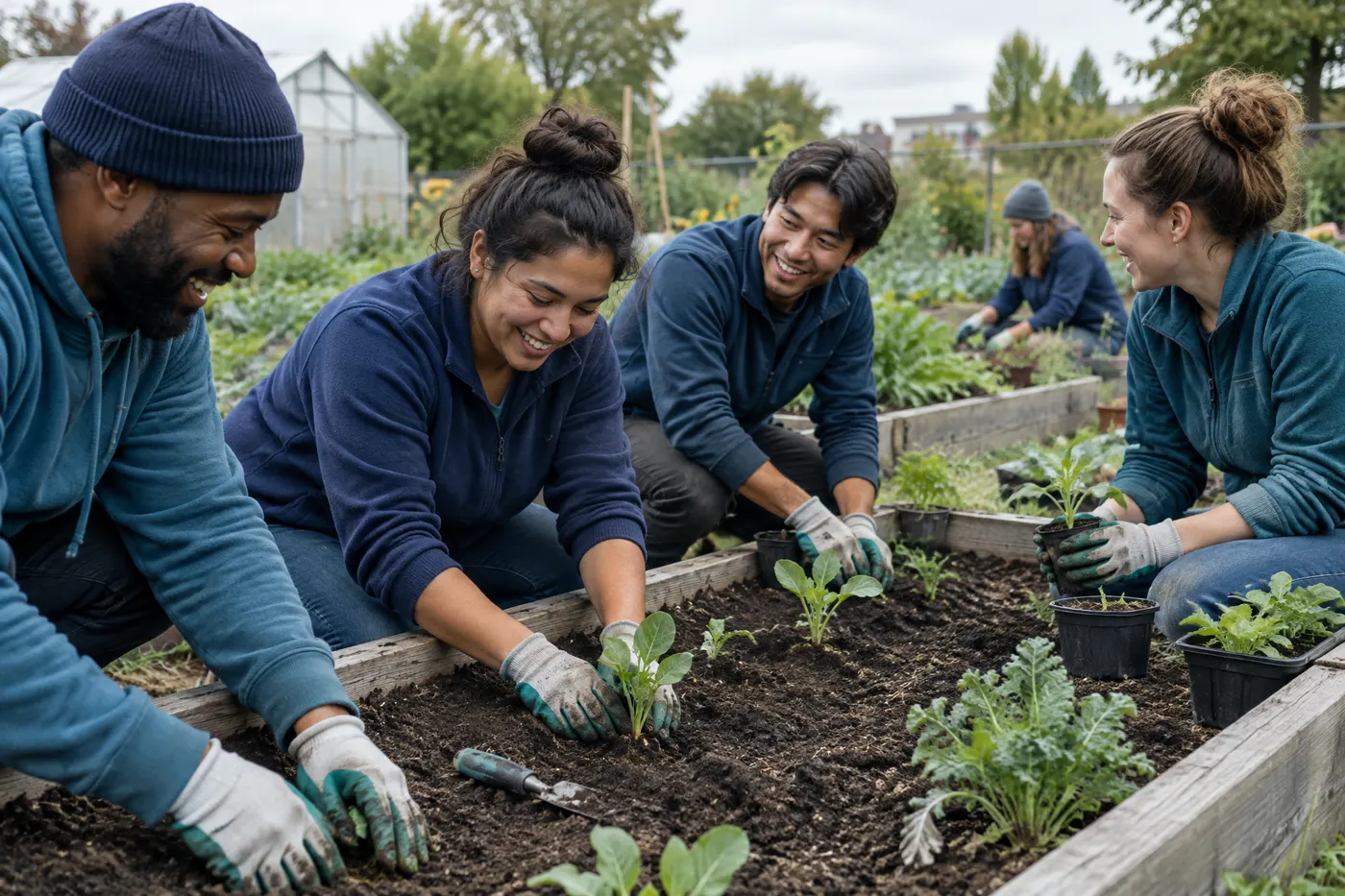
- Volunteer groups such as food banks, animal shelters and community gardens.
- Classes like pottery, cooking, language, coding or martial arts.
- Faith communities, if that fits you.
- Rec leagues, running clubs, walking groups and hiking meetups.
- Book clubs, board game cafés, choirs and community theater.
- Alcohol-free events and gatherings for the “sober curious,” which are increasingly common in many cities.
How to turn acquaintances into actual friends
Most people don’t lack places to meet others. They get stuck between “we say hi” and “we’re friends.” A few things that help move people across that gap:
Show up repeatedly
Friendship grows from repeated, low-pressure contact. Pick two or three regular things, like a weekly meeting, a Saturday hike group or a volunteer shift, and go consistently. Familiar faces become friendly faces, and friendly faces become friends.
Make the specific invite
“We should hang out sometime” rarely turns into anything. “I’m getting tacos after the meeting Thursday, want to come?” often does. Specific invites with a time and place are easier to say yes to.
Be the organizer (sometimes)
Many people are waiting for someone else to make a plan. Start a group chat for the people from your Tuesday meeting. Suggest a monthly game night. Organizing doesn’t require being outgoing. It just means you’re willing to send the first message.
Follow up
Send a quick text after you meet someone: “Good talking with you today.” Ask about the thing they mentioned, like the job interview or their kid’s game. Small follow-ups show you were listening.
Accept that some won’t click
Not everyone you meet will become a friend, and that’s normal for everyone, sober or not. Keep casting a wide net. A few close friends and a wider circle of friendly acquaintances is a great outcome.
Sober activities: what to actually do together
A big worry early on is “but what do we do?” Here’s a starter list to steal from:
- Outdoors: hikes, bike rides, kayaking, fishing, beach days, picnics, stargazing, disc golf.
- Active: pickup basketball, climbing gyms, bowling, yoga classes, a 5K training plan, swimming.
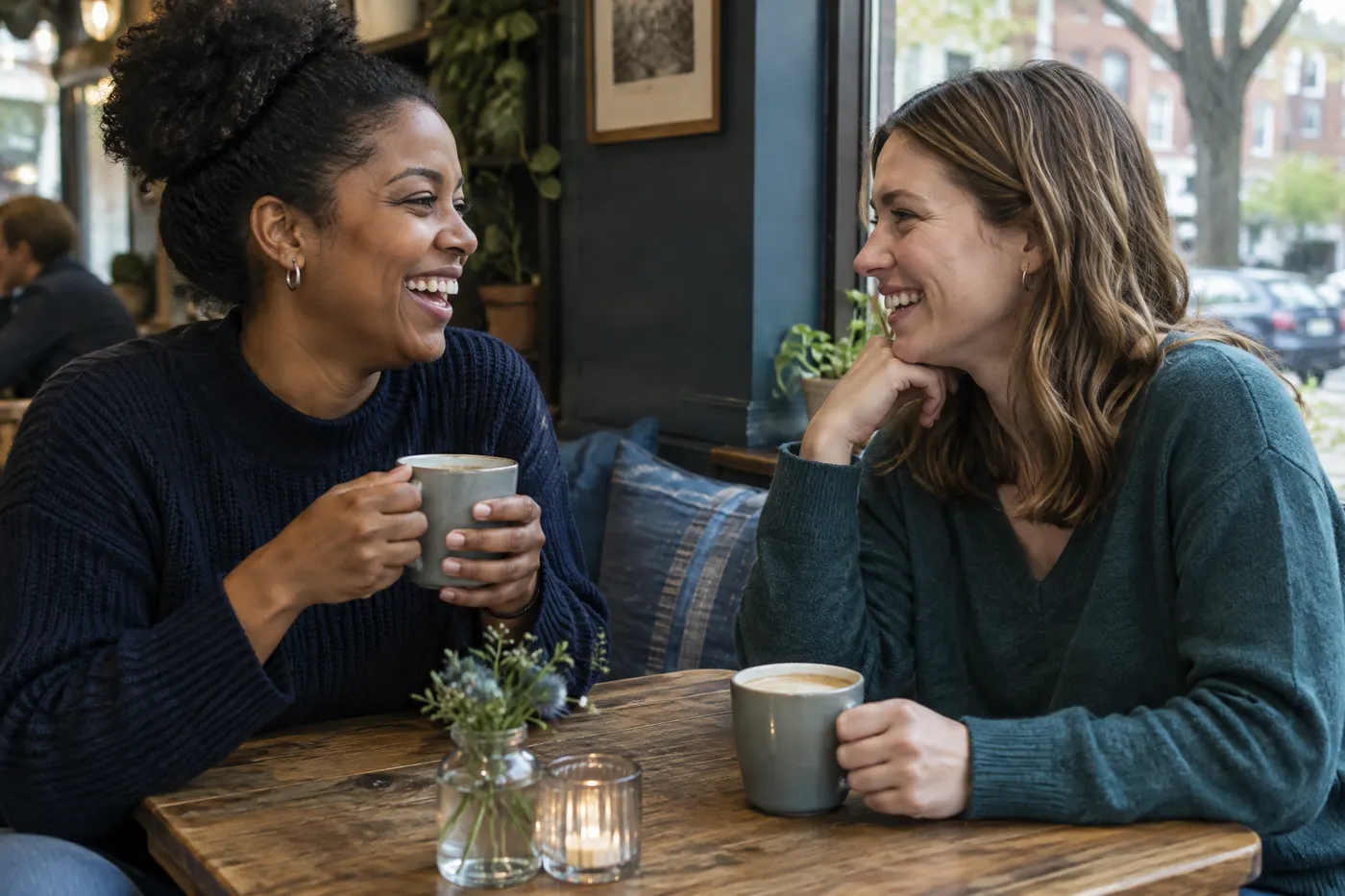
- Food: cooking nights, potlucks, trying a new cuisine, a coffee shop crawl, baking competitions.
- Creative: open mics, painting nights, photography walks, crafting, a writing group.
- Chill: board games, movie marathons, trivia, puzzles, video games, a book swap.
- Give back: volunteer shifts, park cleanups, helping a friend move.
- Bigger plans: concerts with a sober buddy, a camping weekend, a road trip, a sports game.
Mornings and daytime plans are underrated. A Saturday breakfast or Sunday hike naturally avoids the late-night settings where substances often show up.
A simple 30-day plan to build your sober circle
If “go make friends” feels too vague, try a month-long experiment. It’s small enough to stick with and structured enough to work.
- Week 1: Pick your anchors. Choose two recurring things to attend every week, such as one meeting and one activity (a class, a volunteer shift, a running group). Put them on your calendar.
- Week 2: Learn names. At each anchor, introduce yourself to one new person and remember their name. Arrive five minutes early or stay five minutes late.
- Week 3: Make one specific invite. Coffee after the meeting, a walk on Saturday, lunch near work. Just one.
- Week 4: Follow up and repeat. Text the people you’ve met. Make another invite. Notice who you look forward to seeing.
At the end of the month, you probably won’t have a best friend. You will likely have a handful of people who know your name and are glad to see you, and that’s how every close friendship starts.
Online communities count, too
If you live somewhere rural, work odd hours, have kids at home or simply aren’t ready for in-person groups, online recovery communities and video meetings can be a real lifeline. Many people find their first sober friends in an online meeting’s chat and later meet up in person. Treat online connections like any others: show up regularly, participate, and follow up. As always, protect your privacy and be cautious about sharing personal details with people you don’t know well yet.
What about old friends?
This is one of the hardest parts. Some old friendships were mostly about using. Others were real friendships that happened to include it. A few questions can help you sort them:
- Does this person respect my recovery, or pressure me?
- When we’re together, do we do things that don’t involve substances?
- Do I feel safer or more at risk after spending time with them?
Some friendships can continue with new boundaries, like meeting for lunch instead of at the bar, or only daytime plans for now. Some may need a pause. Some may need to end. It’s okay to grieve them. Setting boundaries with people you care about is hard, and a sponsor, counselor or peer can help you think it through.
Letting go of a friendship that threatens your recovery isn’t betrayal. It’s choosing the life you’re building.
Going out without using: a quick playbook
- Bring an ally. A sober friend makes most events easier.
- Have a drink in hand. Sparkling water, soda or a non-alcoholic option means fewer offers. Some people in recovery avoid alcohol-free beer or wine because it feels too close to the real thing. Know what works for you.
- Prepare a simple line. “I don’t drink,” “I’m good, thanks” or “I’m driving” is plenty. You don’t owe anyone an explanation.
- Drive yourself or have a ride plan, so you can leave when you want.
- Leave early if you need to. Getting home safe is a win, not a failure.
Social anxiety without substances
If you used to drink or use to feel comfortable around people, socializing sober can feel exposed at first. That’s very common. A few things help: start with structured activities where you don’t have to carry the conversation, prepare a couple of easy questions (“How did you get into this?”), and remember that most people are focused on their own nerves, not yours. If social anxiety is intense or keeps you from going out at all, it’s worth talking to a therapist. It’s treatable.
Key takeaways
- Learning how to make sober friends takes repetition: pick two or three regular activities and keep showing up.
- Meetings of every kind, recovery community centers, sober active groups, volunteering and classes are all good places to meet people.
- Specific invites and small follow-ups turn acquaintances into friends.
- Sober fun is abundant. Daytime plans and shared activities make it easier.
- Re-evaluate old friendships honestly, and set boundaries where you need to.
Frequently asked questions
How do I make friends in recovery if I’m shy?
Choose structured settings where there’s something to do, like a class, volunteer shift, hike or game night, so conversation happens naturally. Go to the same things repeatedly so faces become familiar, and start with small steps like a text or a coffee invite.
Do all my friends need to be sober?
Not necessarily. What matters is that your friends respect your recovery and that you feel safe around them. Many people keep non-sober friends by changing where and when they meet. In early recovery, though, it often helps to spend most of your social time with people who don’t use.
Where can I meet sober people if I don’t like meetings?
Try recovery community centers, sober fitness groups, volunteer organizations, classes, running or hiking clubs, faith communities, and alcohol-free social events. Different meeting formats (12-step, SMART, Recovery Dharma, secular groups) also feel very different from each other, so one may suit you better than another.
What are some fun sober activities?
Hiking, cooking nights, board games, trivia, climbing, bowling, concerts with a sober friend, open mics, volunteering, road trips and weekend breakfasts are all popular. Pick things you’re genuinely curious about.
How do I tell old friends I’m sober?
Keep it simple and honest: “I’ve stopped drinking and using, and I’m really focused on my health.” Suggest a substance-free plan if you want to stay in touch. Their response will tell you a lot about the future of the friendship.
Last updated October 28, 2026. Stories reflect personal experience and are not medical advice.

Stories & guides
Get the next guidein your inbox.
Practical writing about life after treatment, now and then. Unsubscribe in one click.
In crisis? Call or text 988.
Keep reading
All stories
Sober living homes: what they are, how to choose one and what it really costs
A good sober living home can be the bridge between treatment and a life you want to keep. A bad one can be dangerous. Here’s how to tell them apart.
Life after rehab: what to expect in your first 90 days
The first three months after treatment are when recovery moves from a structured program into your real life. Here is a week-by-week map of what tends to happen and how to get through it.

Building a daily routine that actually holds
Small, repeatable steps beat big resolutions. A gentle approach to daily check-ins and practices — without streaks, scores or shame.

FreePeer-ledReal people
Treatment is the beginning, not the end.
The core community is free to join. No pressure, no paywalls in a hard moment — just people who get it, whenever you’re ready.