Sober living homes: what they are, how to choose one and what it really costs
A good sober living home can be the bridge between treatment and a life you want to keep. A bad one can be dangerous. Here’s how to tell them apart.
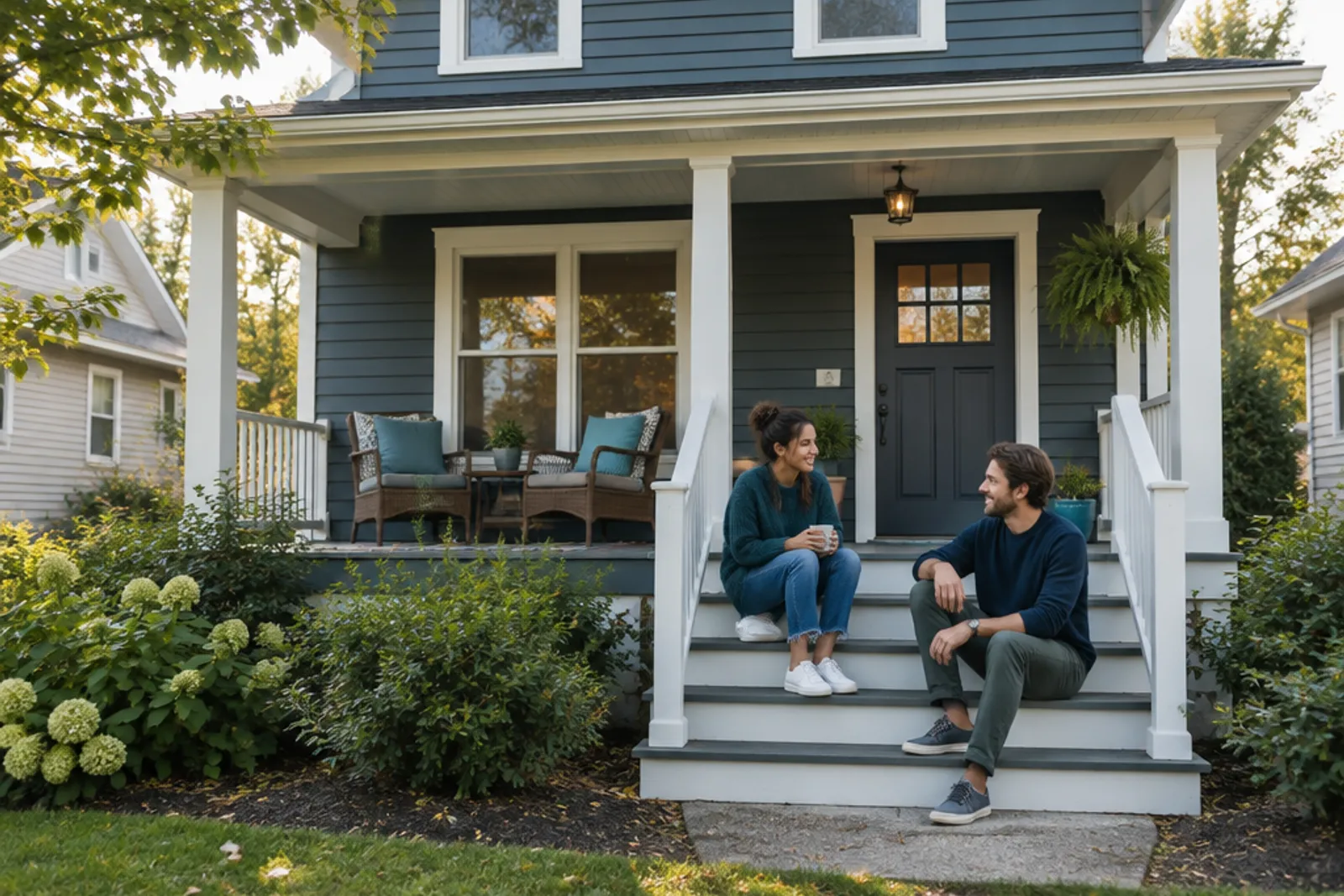
Treatment ends on a Tuesday. On Wednesday, you’re supposed to go back to the same apartment, the same block, maybe the same roommate. For a lot of people, that’s exactly where things get hard.
That’s the gap sober living homes are designed to fill. Also called recovery residences or recovery housing, they offer a substance-free place to live with other people working on recovery, plus enough structure to help you rebuild routines without the full intensity of treatment. This guide explains what sober living actually is, the different levels of support, how to choose a home, what it costs in general terms and the red flags that should send you elsewhere.
What sober living homes are (and aren’t)
A sober living home is a shared residence where everyone agrees to stay alcohol- and drug-free (prescribed medications aside, in good homes) and to follow house rules. Residents usually pay rent, share chores and household responsibilities, and take part in some kind of recovery activity, whether that’s mutual-help meetings, outpatient treatment, therapy or another pathway.
What sober living usually isn’t:
- Not treatment. Most homes don’t provide clinical care on site, though residents often attend outpatient programs.
- Not a halfway house in the corrections sense. Some people use the terms loosely, but many recovery residences have no connection to the justice system.
- Not a lockdown facility. Residents typically work, go to school, see family and come and go within house rules like curfews.
The value of a sober living home isn’t the house. It’s the routine, the accountability and the people at the dinner table.

Who sober living is a good fit for
Recovery housing can help if you:
- Are leaving residential treatment, detox or incarceration and don’t have a stable, substance-free place to go
- Live with people who are actively using, or in a neighborhood full of old triggers
- Want more structure and peer support than living alone provides
- Are in outpatient treatment and need a stable home base
It may be less of a fit if you need round-the-clock medical or psychiatric care, which belongs in a clinical setting first.
NARR levels of support, explained
The National Alliance for Recovery Residences (NARR) sets national standards for recovery housing and works with state affiliate organizations that certify homes. NARR describes four levels of support, which make a useful shorthand when you’re comparing options:
- Level I (peer-run): democratically run by the residents themselves, usually in a single-family home, with no paid staff. Oxford Houses are a well-known example of this model.
- Level II (monitored): a house manager or senior resident oversees the home, with house rules, meetings and some structure. Often what people picture when they think “sober living.”
- Level III (supervised): staffed by paid, often certified staff, with more structured programming such as life skills and recovery support services.
- Level IV (service provider): recovery housing integrated with clinical services, often run by or connected to a treatment organization.
Higher isn’t automatically better. The right level depends on how much structure and support you need right now. Many people step down over time.
Why certification matters
Certification by a NARR state affiliate (or a state program) means the home has been reviewed against standards covering things like safety, resident rights, ethics and operations. Some states require certification for homes that receive referrals or public funds. Not every good home is certified, but certification is a meaningful signal, and you can ask the house for proof.
How to choose a sober living home
Visit in person if you can, or ask for a video walk-through. Talk to the house manager and, ideally, to a current resident. Then ask these questions:
About the house
- Is the home certified by a NARR affiliate or the state? Can I see it?
- Which NARR level of support does it operate at?
- How many residents live here, and how many share a room?
- Is it clean, safe and in decent repair? Are there working smoke detectors?
About the rules
- Can I see the written house rules and resident agreement?
- What’s expected for recovery activities, chores, curfew and guests?
- How is drug and alcohol testing handled, and who pays for it?
- What happens if someone returns to use? Is there a plan to help them get care rather than being put on the street?
About medication
- Do you accept residents taking medications for opioid use disorder, like buprenorphine or methadone, and other prescribed medications?
- How are medications stored safely?
About money
- What’s the rent, and what does it include (utilities, food, transportation)?
- Is there a deposit or move-in fee? Is it refundable?
- What’s the refund policy if I leave early?

What sober living costs, in general terms
Costs vary widely depending on region, the level of support and what’s included, so be skeptical of any single “average” number. In general:
- Rent is usually charged weekly or monthly, and in many areas it’s in the same range as renting a room in a shared house locally. Homes with paid staff and more services typically cost more.
- Insurance usually doesn’t cover rent, since sober living is housing rather than medical treatment. Some clinical services residents attend may be covered separately.
- Help may be available. Some states, counties and nonprofits fund recovery housing or offer vouchers or scholarships, especially for people leaving treatment or incarceration. Ask your treatment team, your state’s behavioral health agency or the SAMHSA National Helpline (1-800-662-4357).
- Most residents are expected to work, look for work or attend school, which helps cover rent and builds routine.
Red flags to watch for
Recovery housing has been a target for fraud in some areas, often tied to insurance billing. Be wary if a home:
- Offers free rent, free travel or cash to move in. That’s a classic sign of patient brokering, where homes are paid to steer residents into particular treatment programs.
- Requires you to attend a specific outpatient program or lab it’s connected to, especially one that bills your insurance.
- Wants your insurance information before talking about rent, rules or the house itself.
- Has no written rules, lease or resident agreement.
- Is overcrowded, unsafe or poorly maintained.
- Takes your ID, phone, benefits card or medications and won’t give them back.
- Evicts people immediately after a return to use with no plan, safe discharge or connection to care.
- Refuses anyone on prescribed medication for opioid use disorder without a clear reason.
If something feels off, trust it. You can report concerns to your state’s NARR affiliate, state licensing or behavioral health agency, or attorney general.
A legitimate home will never pay you to live there. If the deal sounds too generous, someone else is probably getting paid.

What a day in sober living might look like
Every home is different, but here’s a hypothetical weekday in a typical Level II house, just to give you a feel for the rhythm:
- 6:30 a.m. Up, coffee in the kitchen with whoever else is awake. Make your bed, do your morning chore.
- 8:00 a.m. Head to work, school, a job search or an outpatient program.
- Afternoon. Appointments, a meeting or other recovery activity, errands.
- 6:00 p.m. Dinner, sometimes shared, sometimes everyone on their own.
- Weekly. A house meeting to talk about chores, issues and how everyone is doing.
- Evening. Free time, phone calls, TV, reading. Back by curfew.
It’s not glamorous. That’s the point. Recovery housing gives you practice at an ordinary, stable life, surrounded by people who understand why that matters.
Talking with family about sober living
Families sometimes worry that sober living means “not coming home,” or that it’s a step backward. It can help to frame it as a bridge: a period of extra support so that when someone does move home or into their own place, the foundation is stronger. Families can help by visiting, being part of move-in conversations and, if they’re contributing financially, paying the house directly rather than handing over cash. And if the person you love is looking at homes, the red flags above apply doubly: families are often the ones who can spot an offer that sounds too good to be true.
Making the most of sober living
- Build a routine early: wake time, work or school, meetings or appointments, chores, sleep.
- Get to know your housemates. Shared meals and house meetings are where support takes root.
- Keep your treatment going. Sober living works best alongside ongoing care and peer support.
- Plan your next step. Use your time to save money, repair credit, rebuild references and line up housing for when you move on.
Looking for a home? Ask your treatment provider for referrals, check your state’s NARR affiliate directory, and use FindTreatment.gov to keep outpatient care in place near wherever you land.
Key takeaways
- Sober living homes are substance-free shared residences that bridge treatment and independent life.
- NARR describes four levels of support, from peer-run (Level I) to clinically integrated (Level IV).
- Look for certification, written rules, a safe house and acceptance of prescribed medications.
- Costs vary widely; insurance usually doesn’t cover rent, but public or nonprofit help may exist.
- Avoid homes offering free rent or travel, requiring specific programs or asking for insurance first.
Frequently asked questions
What is the difference between sober living and a halfway house?
People sometimes use the terms interchangeably. “Halfway house” often refers to transitional housing connected to the justice system or a treatment program, while sober living homes are typically independent recovery residences where people pay rent and follow house rules.
How long do people stay in sober living?
It varies. Some people stay a few months, others a year or more. Many homes don’t set a fixed limit; the right length depends on your recovery, finances and next housing plan.
Does insurance pay for sober living?
Usually not, because sober living is housing rather than medical treatment. Some states, counties and nonprofits offer funding or vouchers, and clinical services you attend while living there may be covered separately.
Can I live in sober living while taking buprenorphine or methadone?
Many homes accept residents on medications for opioid use disorder, and more are doing so. Ask directly before you move in, and look for homes that support all evidence-based recovery pathways.
What are the NARR levels?
NARR describes four levels of recovery residence: Level I (peer-run), Level II (monitored), Level III (supervised) and Level IV (service provider, integrated with clinical care). They describe how much structure and staff support a home offers.
What happens if you relapse in sober living?
Policies differ. Many homes require a resident who returns to use to leave, at least temporarily, while better homes help connect them to care and a safe place to go. Ask about the policy before you move in.
Last updated October 28, 2026. Stories reflect personal experience and are not medical advice.

Stories & guides
Get the next guidein your inbox.
Practical writing about life after treatment, now and then. Unsubscribe in one click.
In crisis? Call or text 988.
Keep reading
All stories
Life after rehab: what to expect in your first 90 days
The first three months after treatment are when recovery moves from a structured program into your real life. Here is a week-by-week map of what tends to happen and how to get through it.

How to make sober friends (even if you’ve never done it as an adult)
Your old social life may have revolved around using. Building a new one takes intention, repetition and a little courage. Here is where to find people and what to actually do together.

Insomnia in early recovery: why sleep falls apart after quitting, and how to get it back
Lying awake at 3 a.m. is one of the most common, and most frustrating, parts of early recovery. Here’s why it happens and what actually helps, starting with CBT-I.

FreePeer-ledReal people
Treatment is the beginning, not the end.
The core community is free to join. No pressure, no paywalls in a hard moment — just people who get it, whenever you’re ready.